
Pure Simple & Natural Newborn and Baby Photography

Updated: 23 minutes ago
Melissa T Photography is an award- winning central florida, Orlando in-home newborn photographer known for her timeless style photography capturing authentic moments filled with love & conncetion that will be treasured for generations to come. Melissa T Photography is a full service photographer and has topped the list for best newborn photographer in Orlando for 12 years in a row. My goal with every session is to create timeless memories for you and your family to look back on and fall in love with over and over again.
Melissa is a professional with 15+ years of expertise photographing newborns in clients homes. She brings everything for your session including backdrops, props, outfits, and lighting. She takes care of everything so you can sit back, relax and enjoy these beautiful moments.
Clients always ask what should I wear for our session.
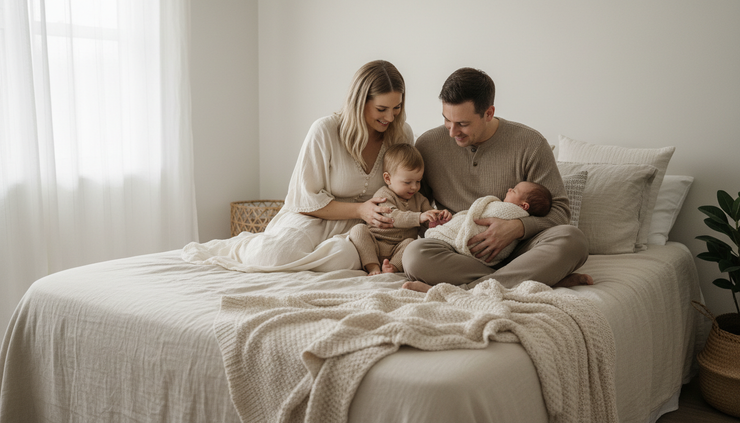
The best newborn photos often look effortless, but the clothing choices behind them are usually very intentional. Soft neutral colors help keep the focus where it belongs: on the baby’s tiny features, family connection, and the quiet feeling of these first days.
Neutrals also photograph beautifully in almost any home or studio. They do not fight with blankets, nursery decor, or skin tones. They soften the full gallery and make the images feel timeless instead of tied to one trend.
If you are wondering what to wear to a newborn session in soft neutral colors, the goal is simple: choose comfortable pieces in gentle tones, natural textures, and easy shapes that allow everyone to hold, snuggle, and move with the baby.

Soft neutrals work because they keep the focus on connection
Newborn sessions are full of small details. A curled hand. A sleepy yawn. A parent’s fingers resting on a tiny back. Strong colors, busy prints, and high-contrast outfits can pull attention away from those moments.
Soft neutral clothing creates a calm base for the whole gallery. It lets expressions, touch, and light stand out.
Think of colors like:
Ivory
Cream
Oatmeal
Beige
Taupe
Warm gray
Soft white
Dusty blush
Pale sage
Light stone
Mushroom
Heathered gray
Soft neutral does not mean everyone has to wear the same shade of white. In fact, a little variety looks better. Mix warm and cool neutrals, or stay within one gentle color family.
A cream dress, an oatmeal sweater, a taupe henley, and a soft white baby wrap can look coordinated without feeling too matched. This gives the photos depth while keeping the overall mood peaceful.
The biggest mistake is treating neutral as plain. Neutral outfits can have plenty of interest through texture, layers, and movement. Ribbed knits, gauze, linen, waffle cotton, and soft cardigan layers all add dimension without adding visual clutter.
A good newborn outfit should feel quiet in the photo, not invisible. Texture and fit bring it to life.
Start with the baby’s wrap, then build around it
The baby is the center of the session, so start there. Once the wrap, swaddle, or simple outfit is chosen, the rest of the family can coordinate around it.
For newborns, comfort matters most. Babies photograph beautifully in simple pieces because their natural details are already enough. A soft wrap or footed sleeper often works better than a stiff outfit with collars, buttons, or bulky seams.
Good newborn clothing options include:
A cream or ivory swaddle
A ribbed cotton footed sleeper
A soft knit romper
A simple gauze wrap
A light neutral diaper cover
A fine knit bonnet, if it suits the style of the session
Avoid anything that rides up, bunches under the baby’s chin, or hides the face. Large bows, stiff collars, bright logos, and oversized accessories can quickly become the main thing people notice.
For a soft neutral look, the baby does not need many outfit changes. One or two simple setups are usually enough. Babies often need feeding, soothing, and diaper breaks, so fewer outfit changes can help the session feel calmer.
If the photographer provides wraps or wardrobe pieces, ask what colors they plan to use. Then choose family outfits that blend with those tones. If the baby will be wrapped in ivory, warm beige, or taupe, family clothing can sit in the same gentle range.

Choose parent outfits that feel soft, comfortable, and easy to move in
Parent outfits should look beautiful, but they also need to work for real newborn care. During the session, parents may sit on a bed, stand by a window, soothe the baby, bend over a crib, or hold the baby close for long stretches.
The best clothing allows all of that without constant adjusting.
For the birthing parent, soft dresses are a popular choice because they add movement and photograph well while seated or standing. Look for relaxed shapes rather than anything tight or structured.
Great choices include:
A flowy cream or ivory midi dress
A soft knit dress in oatmeal or warm gray
A gauze or linen dress in white, cream, or pale beige
A relaxed cardigan layered over a nursing-friendly top
A simple neutral blouse with soft pants or a skirt
If nursing or pumping is part of the day, choose something that makes feeding easier. A button-front dress, wrap-style top, or stretchy neckline can help the session move smoothly.
For the non-birthing parent, keep the look simple and relaxed. A soft henley, fitted sweater, linen shirt, or plain tee can photograph beautifully when the color and fit are right.
Good options include:
A cream or heather gray henley
A beige waffle-knit top
A soft white cotton tee
A taupe sweater
A light linen button-down worn untucked or softly rolled at the sleeves
Skip stiff dress shirts, shiny fabrics, athletic logos, and dark graphic tees. Clothing with too much structure can feel out of place in a quiet newborn gallery. The aim is polished but still relaxed.
Bare feet often look better than shoes for in-home newborn sessions. Socks can work if they are simple and neutral, but avoid bright colors or strong patterns. In a studio, follow the photographer’s guidance.
Coordinate family outfits without making everyone match
Matching outfits can flatten a photo. Coordinating creates a more natural look. The easiest way to do this is to choose three to five soft neutral tones and spread them across the family.
Here are a few simple palette ideas:
Palette | Colors that work well together | Best feeling |
Warm and creamy | Ivory, oatmeal, beige, taupe | Cozy and classic |
Soft and airy | White, cream, pale gray, light stone | Clean and bright |
Earthy neutral | Mushroom, warm gray, sage, cream | Calm and organic |
Gentle blush | Ivory, taupe, dusty blush, oatmeal | Soft and warm |
Cool neutral | Soft white, heather gray, pale blue-gray | Simple and fresh |
If one person wears a pale cream dress, another can wear a taupe knit top. A sibling might wear oatmeal overalls or a soft gray dress. The baby can be wrapped in ivory. The pieces relate to each other, but no one looks copied and pasted.
For siblings, comfort is everything. A toddler in an itchy sweater or stiff dress will not care how pretty the outfit is. Choose soft pieces they can sit, cuddle, and move in.
Sibling outfit ideas include:
A cream knit romper
A soft gray sweater with beige pants
A simple gauze dress in ivory or oatmeal
A ribbed long-sleeve top with neutral leggings
Neutral overalls over a plain cream shirt
Try outfits on before the session. Make sure waistbands fit, sleeves are not too long, and nothing feels scratchy. If a child is sensitive to tags or seams, remove the tags or choose a softer backup.
For families with multiple children, vary the textures. One child might wear cotton, another might wear knit, and a parent might wear linen. This keeps the group from looking flat while staying within the same gentle palette.
Pay attention to texture, fit, and the way fabric photographs
Color matters, but fabric can make or break the final look. Newborn photos often involve close-up shots, so textures show more than people expect.
Soft, matte fabrics photograph best. They absorb light gently and add warmth.
Look for:
Cotton
Linen
Gauze
Muslin
Waffle knit
Ribbed knit
Fine sweater knits
Soft jersey
Be careful with shiny fabrics like satin or silk unless the session has a more styled look. Shine can catch light in distracting ways. Very thin fabrics can also become see-through in bright window light, especially white or ivory pieces.
Fit matters too. Clothing does not need to be tight, but it should not overwhelm the body. Oversized pieces can bunch when holding the baby. Very loose sleeves may cover the baby’s face or hands.
Before the session, do a quick mirror check while holding a pillow or folded blanket like a baby. Sit down, lean forward, and lift your arms. If the top gapes, the neckline shifts too much, or the sleeves fall constantly, choose something easier.
Also think about undergarments. Neutral and seamless pieces tend to work best under light clothing. Check in natural light if possible, since studio and window light can reveal more than bathroom lighting.
Know what to avoid so the photos stay timeless
Some pieces look fine in person but become distracting in newborn photos. Since these images often become albums, wall art, and keepsakes, simple choices age better.
Try to avoid:
Large logos
Bold stripes
Busy florals
Neon colors
Heavy black clothing
Bright red or orange pieces
Stiff collars
Bulky hoods
Graphic tees
High-contrast plaid
Watches that catch attention
Hair ties on wrists
Black can work in some portrait styles, but it often feels heavy next to a soft newborn palette. If you love darker tones, try charcoal, warm gray, or deep taupe instead.
Bright white can also be tricky. Some whites reflect strongly and can look stark, especially beside warm skin tones. Ivory, cream, and soft white usually feel gentler.
Small patterns can work if they are subtle. A tiny woven texture, faint stripe, or delicate knit pattern can add interest. The key is scale. If the print is the first thing your eye sees, it is probably too much.
Plan outfits for the room where the session will happen
For in-home newborn sessions, clothing should also work with the space. Most newborn photos happen in the nursery, primary bedroom, living room, or near the best window light.
Look around the areas likely to be used. If the bedding is bright or patterned, ask whether a neutral quilt or plain sheet can help soften the scene. If the nursery has warm wood tones, oatmeal and cream may look especially good. If the room has cool gray walls, soft white, pale gray, and muted sage can blend well.
A simple way to plan is to lay everyone’s outfits on the bed together. Add the baby’s wrap, a blanket, and any special items you want in the photos. Step back and look at the full group.
Ask these questions:
Does one item stand out too much?
Do the colors feel soft together?
Is there enough texture?
Can everyone sit and hold the baby comfortably?
Will the clothing still look good in close-up photos?
If something feels off, swap the strongest color or busiest piece first. You usually do not need to start over. One small change can calm the whole palette.
Use a simple outfit formula when you feel stuck
Decision fatigue is real in the newborn stage. If planning outfits feels like one more thing on a long list, use a formula instead of starting from scratch.
For a parent and baby session, try:
Baby in an ivory wrap
Parent in a cream or oatmeal knit dress
Bare feet or simple neutral socks
Minimal jewelry
For two parents and baby, try:
Baby in a cream swaddle
One parent in a soft white or ivory top
One parent in taupe, beige, or warm gray
Both in comfortable neutral bottoms or one in a flowing dress
For a family with siblings, try:
Baby in ivory or oatmeal
One parent in cream
One parent in taupe or gray
Sibling in a soft texture, such as knit or gauze
No more than one very subtle pattern
Keep hair and makeup in the same spirit. Soft, natural styling pairs well with neutral clothing. If you wear makeup, choose the amount that helps you feel like yourself on a rested day, even if the night before was anything but restful.
Jewelry should feel personal but not distracting. Small earrings, a delicate necklace, or a simple ring can work well. Large bracelets may press into the baby or draw attention in close-up images.

Keep the final choices simple and true to your family
Soft neutral outfits work best when they feel natural on the people wearing them. A palette can guide the session, but comfort and connection matter more than perfect styling.
Choose clothes that let you hold the baby close. Pick fabrics that feel soft on skin. Use gentle colors that blend well together. Let texture do the visual work instead of bold prints or bright tones.
A helpful final checklist:
Choose the baby’s wrap or outfit first.
Build the family palette from three to five neutral tones.
Mix textures so the photos have depth.
Avoid logos, neon colors, and busy prints.
Try on outfits before the session day.
Keep backup pieces nearby for baby spills.
Choose comfort over anything stiff or fussy.
The best newborn session wardrobe does not compete with the moment. It supports it. Soft neutral colors create a calm frame around the newness, closeness, and tenderness of these first days, which is exactly what the photos are meant to remember.


Comments